
To become a digital marketer in Nigeria you do not need a degree. You need one or two real skills, proof you can use them, and your first client or job. Pick a focus (SEO, social media, ads, or content), learn it properly using free resources first, build a portfolio on your own projects, then get experience through a small client, a volunteer gig, or an internship. This guide covers the skills to learn, the order to learn them in, how to get that first paid work, what you can realistically earn, and when a paid course is actually worth it.
You do not need a degree to become a digital marketer in Nigeria. You need real skills, proof you can use them, and a first client or job.
The direct answer: to become a digital marketer in Nigeria, pick one or two skills to start with (SEO, social media marketing, paid ads, or content), learn them properly using free resources first, build a portfolio by practising on real projects, and then get your first experience through a small client, a volunteer gig, or an internship. Everything after that is repetition and reputation.
Digital marketing is one of the few real skills in Nigeria you can learn from a phone, practise for free, and get paid for from anywhere, including by clients abroad. That is why everyone is suddenly selling a course for it. You probably already suspected that. The instinct was correct.
Here is the honest roadmap: what to learn, in what order, how to get paid, what you can earn, and when a paid course is actually worth your money.
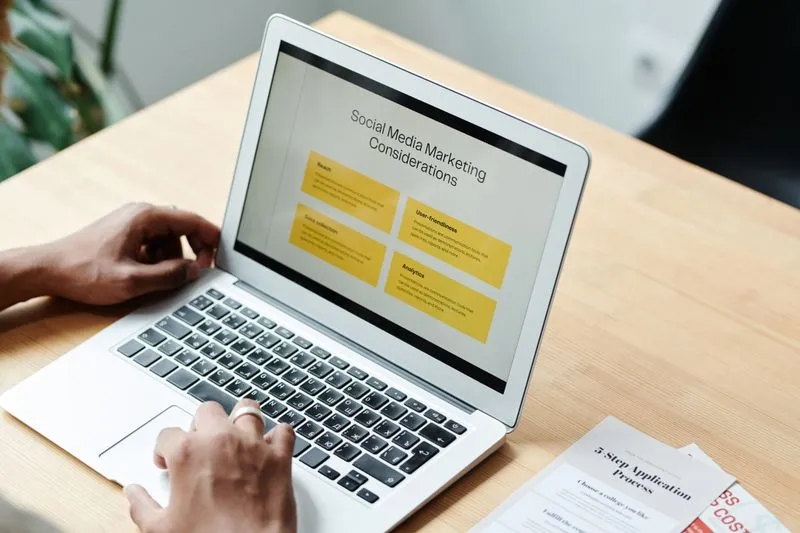
What a digital marketer actually does
A digital marketer helps a business get found, get attention, and get customers online. That is the whole job, under a hundred fancier titles.
In practice, it splits into a few areas, and most marketers specialise in one or two rather than doing all of them:
- SEO. Getting a website to show up on Google without paying for ads.
- Social media marketing. Building an audience and running pages on Instagram, TikTok, Facebook, and X.
- Paid ads. Running Facebook, Instagram, and Google Ads that make more money than they cost.
- Content marketing. Writing, video, and design that pulls people in and builds trust.
- Email and messaging. Keeping customers and bringing them back, often over WhatsApp here.
- Analytics. Reading the numbers to know what actually worked, so you stop guessing.
Nobody is good at all six on day one, and the people who claim to be usually are not good at any. You start with one, get paid for it, then widen. If you want the full picture of how these fit together first, our guide to what digital marketing is lays it out.

Do you need a degree or a certificate to start
No. You do not need a university degree or a marketing certificate to become a digital marketer in Nigeria. Clients and employers pay for results, not paper.
A degree does not hurt, and a certificate from Google or Meta shows you finished a course. But neither proves you can actually grow a business, and that is the only thing anyone is buying. A portfolio showing real work, even on your own project, beats a stack of certificates every time.
This is the good news and the hard news at once. The barrier to entry is low, so anyone can start. But it also means nobody is impressed by your certificate, so you have to show the work. Certificates are a starting point, not a finish line.

The core skills to learn first
Start with one skill, not all of them. The fastest way to get nowhere is to half-learn six things at once and be able to do none of them for money.
Pick your first focus based on what you enjoy and what pays:
- If you like writing: start with SEO and content marketing. There is steady demand and it compounds.
- If you like visuals and being online: start with social media marketing and content creation.
- If you like numbers and quick results: start with paid ads, which shows results fastest and clients pay well for.
- If you like systems: start with email, automation, and analytics.
Alongside your chosen skill, everyone needs two basics: how to read analytics so you can prove results, and how to write a clear message that makes someone act. Those two turn a technician into a marketer.
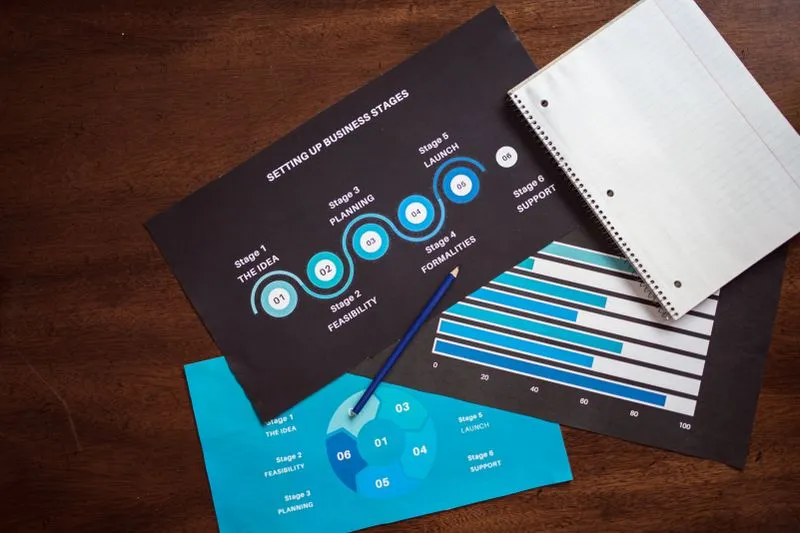
The right order to learn them
Learn one skill to the point where someone would pay for it before you touch a second. Depth in one skill earns money. A shallow layer across six does not.
A sensible path for most beginners:
- Pick one skill from the list above and commit to it for a few months.
- Learn the fundamentals properly, using free resources, before paying for anything.
- Practise on a real project, your own page, a friend's business, anything live.
- Learn analytics in parallel, so you can measure whether your work is doing anything.
- Get your first paid or unpaid client to prove it works outside a tutorial.
- Then add a second skill that pairs with the first, like ads next to social, or content next to SEO.
Most people fail at step three. They watch tutorials forever and never touch a real account, which is like reading about swimming for a year and still sinking when you get in the pool. The doing is the learning.

Free ways to learn digital marketing in Nigeria
You can learn most of digital marketing for free before you spend a naira. The paid course is optional. The free foundation is not.
Where to actually start:
- Google Digital Garage and Google's own guides. Free, official, and genuinely good for SEO and ads fundamentals. Start with the Google SEO Starter Guide.
- Meta Blueprint. Free courses on Facebook and Instagram marketing from the company that runs them.
- HubSpot Academy. Free certifications in content, email, and inbound marketing.
- YouTube. Nearly every skill has a free, current tutorial. The trick is to pick one teacher and finish their series, not to hop between fifty videos and learn nothing.
- Our own blog. The guides here on SEO, Facebook ads, Google Ads, and social media are free and written for the Nigerian market specifically.
The problem with free learning is not quality, it is structure and follow-through. There is so much of it that beginners drown, wander, and quit. Which is exactly the gap a good paid course fills, more on that below.

How to get your first real experience
You get your first experience by doing real work before anyone pays you for it. A live result on a real account beats a finished course every time.
Three honest routes, in rough order of ease:
- Your own project. Start a page, a small store, or a blog and grow it. It is the one client who will never fire you, and the results are yours to show forever.
- Volunteer for a business you know. Offer to run a small shop's Instagram or fix a church or NGO's Google listing, for free, in exchange for a testimonial and permission to show the results.
- Internship or junior role. Learning on the job while being paid, even a little, is the fastest path. You get real accounts, feedback, and a reference.
The goal of all three is the same: a portfolio with real numbers. "I grew this page from 200 to 3,000 followers" or "I got this business ranking on Google for its main service" is worth more than any certificate. Proof beats promise.

How to get your first clients or a job
Your first client usually comes from someone who already knows you, not from a cold pitch to a stranger. Start with your network, then let your proof do the selling.
What works, in order:
- Tell everyone you know what you now do. Most first clients are friends, family, and their businesses. This is not beneath you, it is how nearly everyone starts.
- Show your work publicly. Post your results, your process, and what you are learning. People hire the marketer they have watched being useful.
- Pick a niche. "I help Nigerian restaurants get customers on Instagram" gets hired faster than "I do digital marketing." A specific problem is easier to say yes to.
- For a job: apply with the portfolio, not just the CV. A junior who shows a real project they grew stands out instantly, because most applicants only show a certificate.
The marketers who struggle are usually waiting to feel ready. You do not become ready and then get a client. You get a client and then become ready, slightly terrified, on the job. That is normal.
The beginner mistakes that cost the most time
A few traps swallow most beginners in Nigeria, and knowing them upfront saves you months:
- Collecting certificates instead of clients. Five courses and no live project is a hobby, not a career. One real result beats five certificates.
- Learning everything at once. Trying SEO, ads, social, email, and design in month one leaves you able to charge for none of them.
- Working for free forever. One or two free projects for a testimonial is smart. Ten is being used. Once you have proof, charge.
- Chasing foreign dollars before local results. The $2,000 foreign client is real, but they still want to see that you have grown something. Earn the proof locally first.
- Quitting at the boring part. Months one to three feel slow because they are foundations. Most people quit right before the work starts to pay, then tell everyone digital marketing does not work.
None of these are talent problems. They are patience and focus problems, which is oddly encouraging, because those you can fix without being a genius.

How much digital marketers earn in Nigeria
Digital marketing pays well in Nigeria relative to how cheaply you can learn it, and it pays even better if you land foreign clients. The range is wide because it tracks skill and results, not years served.
Industry guides report that a beginner with one or two clients earns roughly ₦150,000 to ₦400,000 a month, according to Digital Regenesys, and marketers who reach an international standard and target foreign clients can earn $1,000 to $5,000 a month working from home. Treat those as market signals, not promises, since your earnings track your results, not your job title.
What actually moves your income is not time served, it is proof. A marketer with two case studies showing real growth charges more than one with five years and no numbers to point at. Results are the whole game, and they are the one thing you fully control.

How long it takes to become job-ready
You can become job-ready in one skill in about three to six months of consistent effort. Not job-ready in everything, job-ready in one thing someone will pay for. That is enough to start earning.
A realistic timeline:
- Month 1: learn the fundamentals of one skill and set up a project to practise on.
- Months 2 to 3: practise on that live project, learn analytics, get your first small result.
- Months 3 to 6: land your first client or junior role, build two portfolio pieces with real numbers.
- Beyond 6 months: add a second skill, raise your rates, and specialise.
Anyone promising you a full career in two weeks is selling the two-week course, not the truth. The skill is learnable fast; mastery and reputation take the time they take. Both are worth it.

When a paid course is worth it
A paid course or training is worth it when you need structure, feedback, and accountability, not when you need information. The information is free. What you are paying for is not drowning in it and not quitting.
A paid course or training is worth it if:
- You start things and abandon them, and you know it. Structure and a cohort keep you going.
- You want feedback on your actual work from someone who has done it, not a comment section.
- You want to learn faster with a clear path instead of assembling one from a hundred free videos.
- You want a network and a reference, which a good local programme gives you.
You probably do not need to pay yet if:
- You have not finished a single free course. Prove you will follow through before you spend.
- You can self-direct and stay consistent alone. Some people genuinely can, and the free resources are enough for you.
We run training and we will still tell you this: if you have never finished a free Google or HubSpot course, do that first. If you drown in free content, wander, and quit, that is exactly when a structured programme with a real human keeping you accountable earns its fee. Pay for the structure, not the secrets, because there are no secrets, only follow-through.
If you have read this far, you already have the honest roadmap most people pay for before they have watched a single free tutorial. The skill is genuinely learnable, the barrier is genuinely low, and the only thing standing between you and your first client is doing the work instead of buying another course about doing the work.

Want to learn digital marketing directly from us?
We train individuals and teams to become working digital marketers, the real skills, on real projects, with feedback and a path instead of a pile of videos. In person at our Abuja hub, online, one-on-one, or as a group session for your team. Everything we do for clients, we teach.
If you want to see how we structure it, our training programs page has the details, and our guide to digital marketing training in Nigeria covers what to look for in any programme before you pay.
- →Digital marketing training in Nigeria , what to look for in any programme before you pay for one.
- →What is digital marketing? , the plain-English overview of every channel you'll be learning.
- →How to learn SEO in Nigeria , a deeper path into the first skill many marketers start with.
- →Our training programs , learn the real skills on real projects, in person in Abuja, online, or one-on-one.
- →Ask us where to start , tell us your goal and we'll point you to the right first skill, free.
Want to learn digital marketing yourself?
We train individuals and organisations across Nigeria and Africa. In person in Abuja, online, one-on-one, or as a group session for your team. Everything we do for clients, we teach. You walk away with skills you can use the next day.

Frequently Asked Questions About Becoming a Digital Marketer in Nigeria
- Do I need a degree to become a digital marketer in Nigeria?
- No. You do not need a university degree or a specific certificate to become a digital marketer in Nigeria. Clients and employers pay for results, not paper. A degree or a Google or Meta certificate does not hurt, but a portfolio showing real work, even on your own project, matters far more. The barrier to entry is low, which means anyone can start, but also means you have to show what you can actually do rather than what you studied.
- How long does it take to become a digital marketer in Nigeria?
- About three to six months of consistent effort to become job-ready in one skill, enough to start earning. Month one is fundamentals and setting up a project, months two to three are practice and your first small result, and months three to six are landing your first client or junior role and building portfolio pieces with real numbers. Mastery and reputation take longer, but you can start earning well before that. Anyone promising a full career in two weeks is selling a course, not the truth.
- How much can a digital marketer earn in Nigeria?
- Industry guides report a beginner with one or two clients earning roughly ₦150,000 to ₦400,000 a month, and marketers who reach an international standard and work with foreign clients earning around $1,000 to $5,000 a month from home. The range is wide because pay tracks skill and proven results, not years of experience. A marketer with two solid case studies charges more than one with five years and no numbers to show.
- Which digital marketing skill should I learn first?
- Learn one skill to a paid standard before starting a second. Pick based on what you enjoy: SEO and content marketing if you like writing, social media marketing if you like visuals and being online, paid ads if you like numbers and fast results, or email and automation if you like systems. Alongside your chosen skill, everyone should learn to read analytics and write a clear, persuasive message. Depth in one skill earns money; a shallow layer across six does not.
- Can I learn digital marketing for free in Nigeria?
- Yes, you can learn most of digital marketing for free before spending anything. Google Digital Garage, Meta Blueprint, and HubSpot Academy offer free courses and certifications, YouTube covers nearly every skill, and market-specific guides like ours cover the Nigerian angle. The challenge with free learning is not quality, it is structure and follow-through, since there is so much of it that beginners wander and quit. Finish a free course before you consider paying for one.
- How do I get my first digital marketing client in Nigeria?
- Your first client usually comes from someone who already knows you, not a cold pitch. Tell your network what you now do, since most first clients are friends, family, and their businesses. Show your work publicly so people see you being useful, pick a specific niche that is easy to say yes to, and let a portfolio with real results do the selling. If you want a job instead, apply with the portfolio, not just the CV, because a real project you grew beats a certificate every time.
- Is digital marketing a good career in Nigeria in 2026?
- Yes. Digital marketing is one of the few skills you can learn cheaply from a phone, practise for free, and get paid for from anywhere, including by clients abroad who pay in dollars. Demand keeps growing as more Nigerian businesses move online, and the work can be done remotely. The catch is that low barriers to entry mean plenty of competition, so the marketers who stand out are the ones who can prove real results, not just claim skills.
- Should I pay for a digital marketing course in Nigeria?
- Pay for a course when you need structure, feedback, and accountability, not when you need information, since the information is free. A paid course or training is worth it if you start things and abandon them, want feedback on your real work, want a faster path than assembling one from free videos, or want a network and a reference. If you have never finished a single free course, do that first. Pay for the structure and mentorship, not for secrets, because there are none.
These Q&As are emitted as FAQPage schema in the page head. Google may show them directly in search results.

Still not sure? Send us a message.
If you want to become a digital marketer but cannot tell which skill to start with, send us a WhatsApp message or give us a call. Tell us what you enjoy and what you want out of it, and we'll point you to the right first skill and the free resources to start today. If you do not need to pay for training yet, we will tell you that too. No pitch. Just the honest answer.